


The question is asked:.
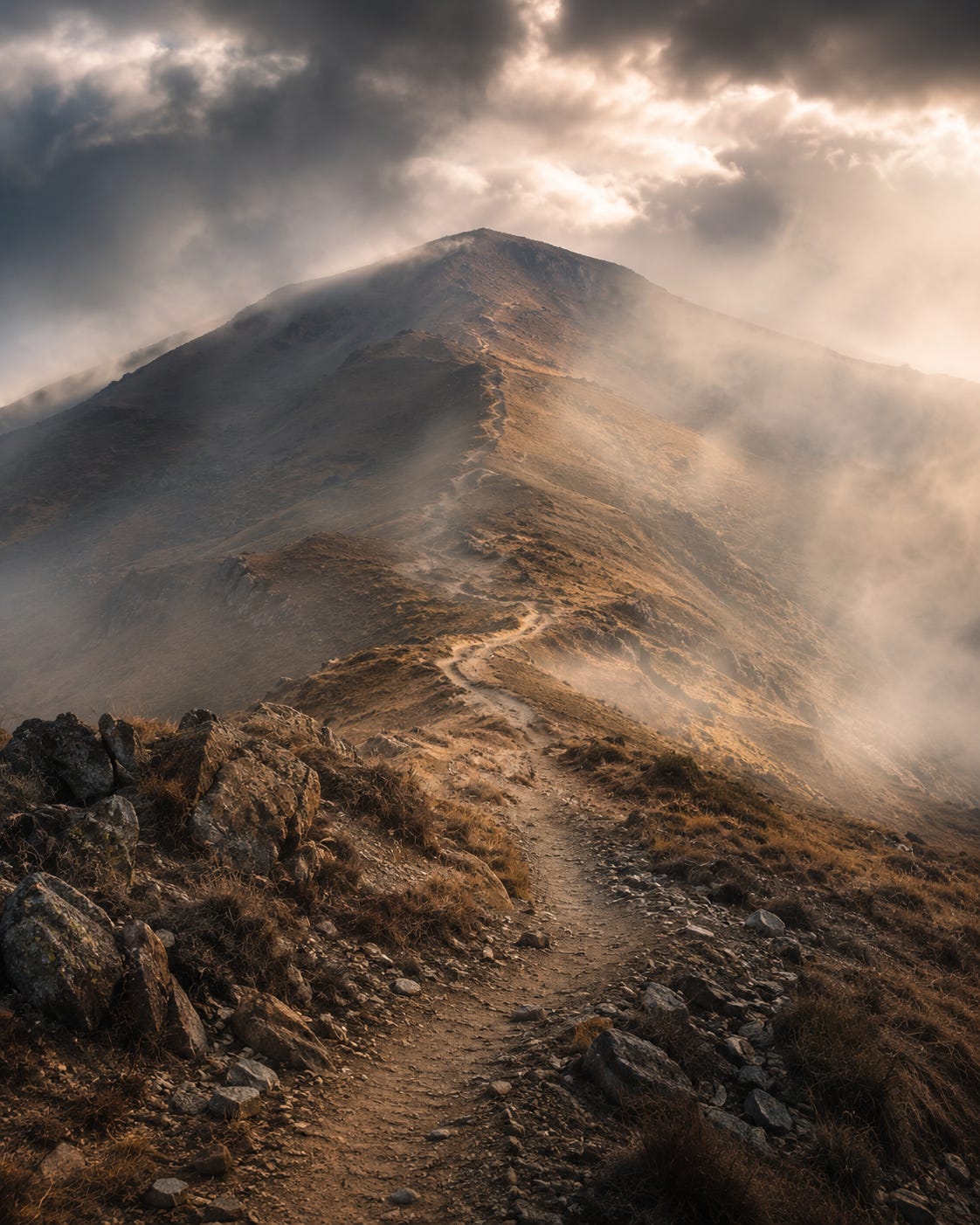
Who is this that cometh out of the wilderness like pillars of smoke, perfumed with myrrh and frankincense, with all powders of the merchant?
Someone is ascending. But whom? The daughters see a figure, but can’t make him out. Smoke rising, fragrance moving ahead of the procession, there is a royal gait in his approach. Scripture does this at the great turning points of redemption. Psalm 24 throws open the question at the gates of glory. Isaiah 63 asks it of the warrior returning from Bozrah with his garments red. The question surfaces whenever the Mediator comes into view from an angle that arrests even the watching of heaven.
On Ascension Day the church asks it again. The answer is the whole of the gospel.
Paul says marriage carries a mystery it was always meant to carry: I speak concerning Christ and the church (Eph. 5:32). The first Adam received his bride from his wounded side. The last Adam purchased His from the wound in His. Hosea heard Jehovah betrothing His people in righteousness and lovingkindness. Psalm 45 sang the Bridegroom riding forth in majesty. The Song is not a detour from the redemptive story. It is one of its most concentrated chapters.
So when the Bridegroom comes up from the wilderness, we are reading the text exactly as it was given.
The wilderness in Scripture is always the place of stripping. This world, east of Eden, is exactly that. The ground bears the curse. Graves are dug in it. Shame lives in it. Death has administered it since the day Adam was expelled.
The Son of God went all the way down.
He knew the wilderness of temptation, of rejection, of having nowhere to lay His head. He knew the wilderness of the wrath of God suspended over Him on the tree, bearing what man had accumulated against himself since the fall. There was no corner of our desolation He skipped.
But the text says He cometh out.
The Ascension says the wilderness is behind Him. Every last corner of it. The wrath-bearing, the contradiction, the grave, all behind Him. He came out fully, finally, with nothing left to do. The cup drained. The grave empty. The battle won. He who descended into the lowest parts of the earth ascended far above all heavens, that He might fill all things.
The church in her wilderness lives on that fact. Her Head came in and out of it. The anchor is cast within the veil. The Bridegroom is home. Every dark ravine He passed through as Head of His body, and the body must follow the Head. It is simply not possible for Him to reign in glory and His people to perish in the waste.
He comes out perfumed.
Myrrh and frankincense, with all powders of the merchant. Altar smoke in Scripture rises from accepted sacrifice. The Ascension cannot be pulled loose from the cross. He entered heaven in the virtue of His finished oblation, carrying the fragrance of a perfect obedience and a spotless life into the holy place made without hands. Every act of His humiliation was without defect. Every drop of His blood was precious. God received it with everlasting pleasure.
Dear one, our acceptance with the Father rises from that fragrance, and from nothing in us. Christ stands in the presence of God perfumed with myrrh and frankincense. The Heidelberg Catechism says in Lord’s Day 18: He is our Advocate there, and we have our flesh in heaven as a sure pledge that He, as our Head, will take us, His members, to Himself.
All the powders of the merchant. Every rare excellence carried with Him into the holy place. The full inventory of His merit is with Him. There is no need in His church that reaches beyond His sufficiency, no sin too deep, no conscience too battered, no prayer is too wordless.
He did not go silent at the throne.
I will not leave you comfortless: I will come to you. The cloud received Him out of their sight, and the first sound from the throne was Pentecost. He poured out the promise of the Father. From His victory He sent the Spirit with grace in His train, to make the absent Christ present to faith, to breathe life into dry bones, to turn a room full of frightened men into the mouth of God to the nations.
Ascension and Pentecost are a single movement. The Bridegroom enthroned sends Himself to His bride by the Spirit, until the day He comes for her in person.
So the church waits. She lifts her eyes unto the hills. She prays as one betrothed, knowing the One who went into heaven went there for her.
Who is this that cometh out of the wilderness?
Jesus. And He is coming again.